
Moles are clusters of pigmented cells, and most of the time they’re harmless—especially when they stay the same size, shape, and color. But when a mole begins to change, itch, bleed, darken, or develop irregular edges, it may signal something more serious. Early attention is essential, because spotting a problem sooner greatly improves outcomes.
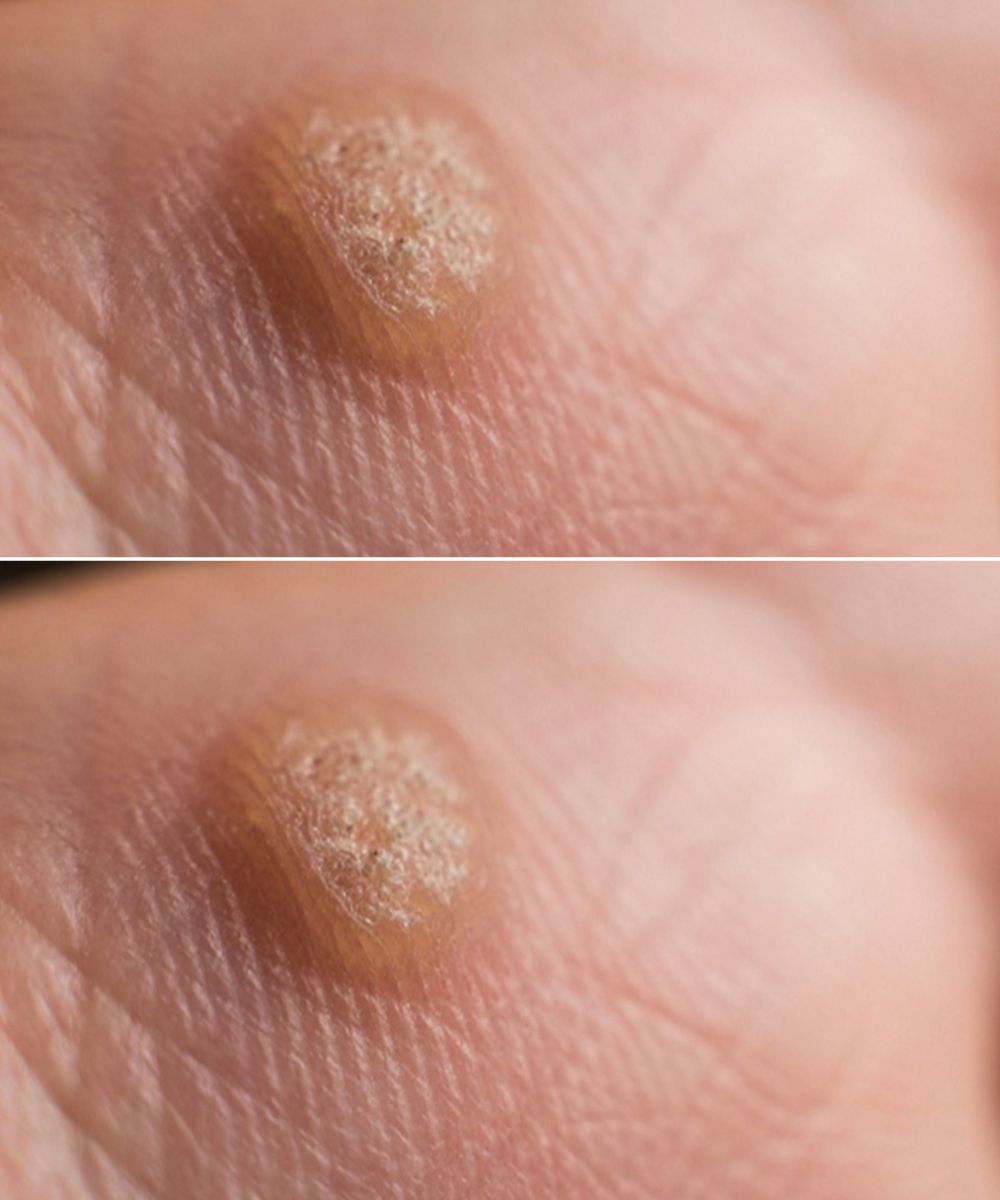
The ABCDE Rule for Identifying Suspicious Moles
Dermatologists often use this simple guide to help people recognize warning signs:
A – Asymmetry: One half looks different from the other.
B – Border: Edges appear uneven, blurred, or jagged.
C – Color: More than one shade appears inside the same mole.
D – Diameter: Larger than 6 mm (about the size of a pencil eraser).
E – Evolving: Any noticeable change in shape, size, texture, or behavior.
If a mole matches any of these traits, it’s important to see a doctor promptly.
Other Skin Growths to Pay Attention To
Suspicious moles aren’t the only concern. Several other growths should be watched closely:
Actinic keratoses – Rough, scaly patches caused by sun exposure; can develop into squamous cell carcinoma.
Basal cell carcinomas – Pearly or wax-like bumps on sun-exposed areas.
Squamous cell carcinomas – Firm red nodules or flat lesions with crusty surfaces.
Seborrheic keratoses – Typically harmless, but can resemble dangerous growths.
Warning Signs That Suggest a Growth May Be Serious
– A new bump or mole that appears suddenly
– Rapid growth or expansion
– Persistent itching, pain, or bleeding
– Color spreading beyond the original border
– An open sore that doesn’t heal
What To Do If Something Looks Suspicious
Check your skin regularly. Use mirrors and good lighting, and look for new spots or changes.
Consult a dermatologist. They can examine the growth and perform a biopsy if necessary.
Protect your skin. Wear sunscreen, avoid tanning beds, and cover up when outdoors.
Why Early Detection Matters: A Real Story
Sarah, a 42-year-old teacher, noticed a tiny mole on her arm and assumed it was just another sign of aging. Months later, when it grew unevenly, she finally visited a doctor—and learned it was melanoma. Because she acted when she did, treatment was successful, and she now encourages others not to wait.
“I thought it was nothing,” she said. “Catching it early made all the difference.”
Simple Prevention Tips
– Know whether skin cancer runs in your family
– Limit time outdoors during strong UV hours (10 a.m.–4 p.m.)
– Use SPF 30+ daily
– Avoid tanning beds completely
Final Thoughts
Most skin growths aren’t dangerous, but paying attention to changes is a smart and protective habit. If anything on your skin looks unusual, don’t wait and hope it goes away. A quick check could protect your long-term health.
Stay aware, take care of your skin, and stay safe.
