
Finding a bump in areas like your neck, the back of your head, or behind your ear can be surprising — and understandably worrying. But the important thing to know is: not all lumps are dangerous. These bumps can come from a variety of common, often harmless causes.
Common Causes of Lumps
Here are several conditions that often show up as small bumps in those areas:
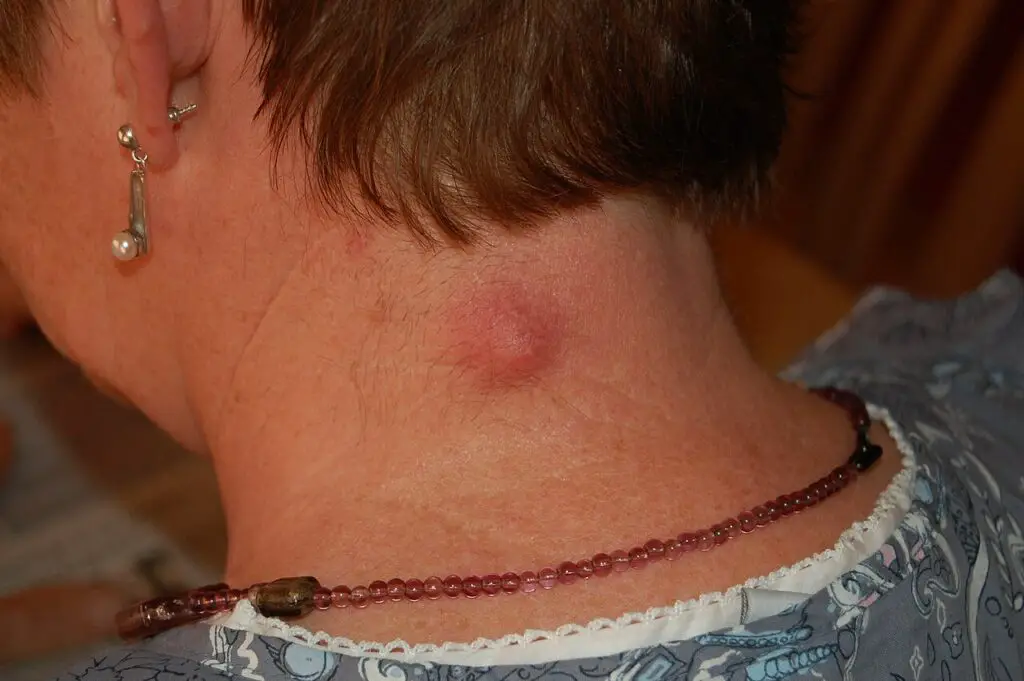
Swollen Lymph Nodes
Your lymphatic system helps filter out germs and waste. When you’re fighting an infection — even a mild cold, sinus issue, or sore throat — lymph nodes can swell. These lumps are usually soft, tender, and can change in size as you get better.
Cysts
Cysts are fluid-filled sacs that can form just under the skin. They’re typically smooth, round, and slow-growing. Most cysts don’t hurt unless they become irritated or infected.
Fatty Growths (Lipomas)
Lipomas are soft, rubbery lumps made of fatty tissue. They’re usually painless and feel moveable under the skin. They tend to develop gradually and are common in adults.
Skin Irritation or Ingrown Hair
Bumps near hairlines or behind ears can come from ingrown hairs or blocked follicles. These are often tender at first but calm down with basic care.
Scar Tissue or Past Injury
If you’ve bumped your head before, healed scars or firm areas can remain as small lumps. These aren’t usually a cause for concern.
When to Pay Close Attention
While many lumps are harmless, you should consider checking in with a healthcare provider if:
- The lump doesn’t go away after a few weeks
- It grows steadily in size
- It’s hard and fixed instead of soft and moveable
- It causes pain, numbness, or discomfort
- You have additional symptoms such as fatigue, fever, night sweats, or unexplained weight changes
Those signs don’t automatically mean something serious — but they do mean it’s worth having a professional take a closer look.
What a Doctor Might Do
During an exam, a clinician will often:
- Ask about your symptoms and how long the lump has been there
- Feel the lump’s texture, size, and mobility
- Check for other swollen nodes or bumps
- Possibly recommend imaging (like ultrasound) or simple tests if needed
These steps help determine whether the lump is something common and harmless or something that needs monitoring or treatment.
Takeaway: Trust Your Instincts, But Don’t Panic
Discovering a lump can be unsettling, especially if it’s new or in a sensitive spot. But the majority of bumps in areas like the neck and behind the ear are related to benign conditions like swollen lymph nodes, cysts, or fatty tissue — not anything immediately harmful.
- Monitor it for a few weeks
- Note any changes in size, feel, or discomfort
- Reach out to a healthcare provider if it persists or grows
Listening to your body and acting early is how you stay in control of your health — not by assuming the worst, but by being informed and proactive.
